Mission Control
Building with OpenClaw
Presto Pesto
It's like an etch-a-sketch for your mind. – Joseph Voelbel
We all know what it feels like to work with an app that doesn't do what we want. The difference is now we can change that. Sometimes the applications we use are just clunky, they don't save right, they don't open on a double click, we can't drag n' drop a particularly useful move. We're locked into their cage. Someone else's UX. Someone else's design. Someone else's product. OpenClaw, and building something like Mission Control, changes all of that. It's a springboard for your imagination. If you can describe what you want, it will work on it and eventually succeed.
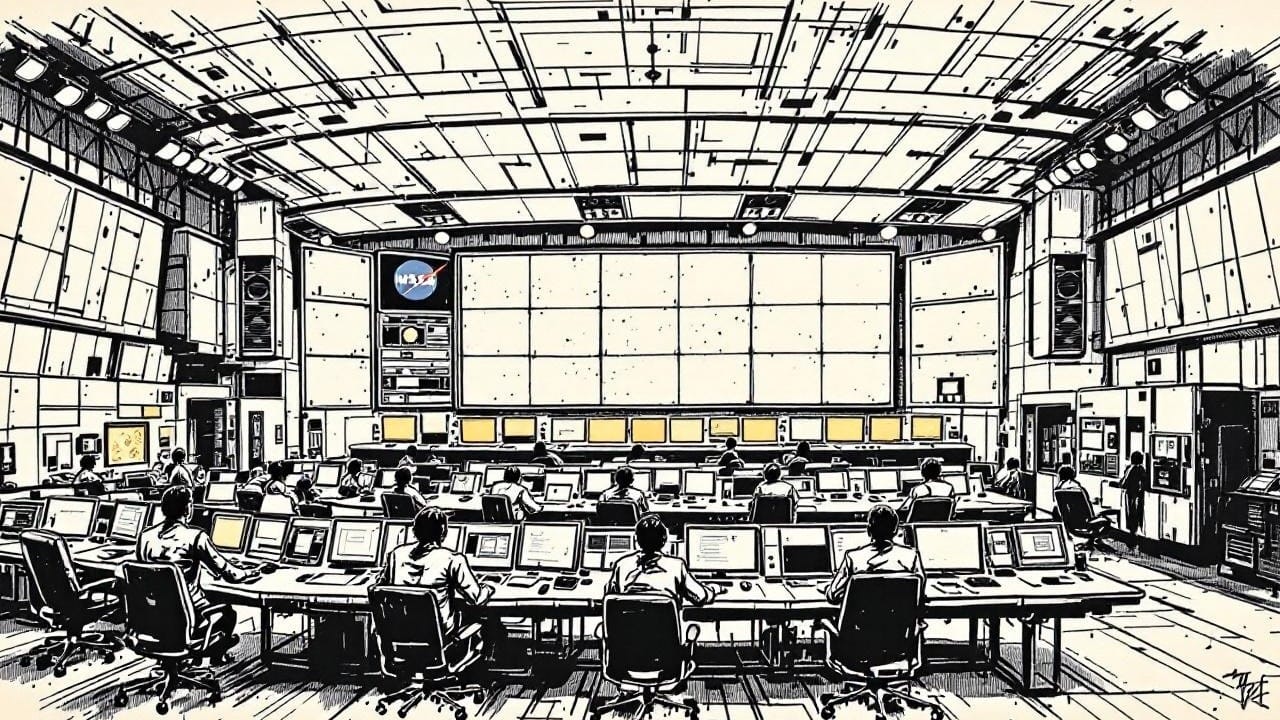
Mission Control is a productivity center built to spec by my agent Magnus who can re-design, build, delete, shift, adjust, or enhance any element in your command center upon request.
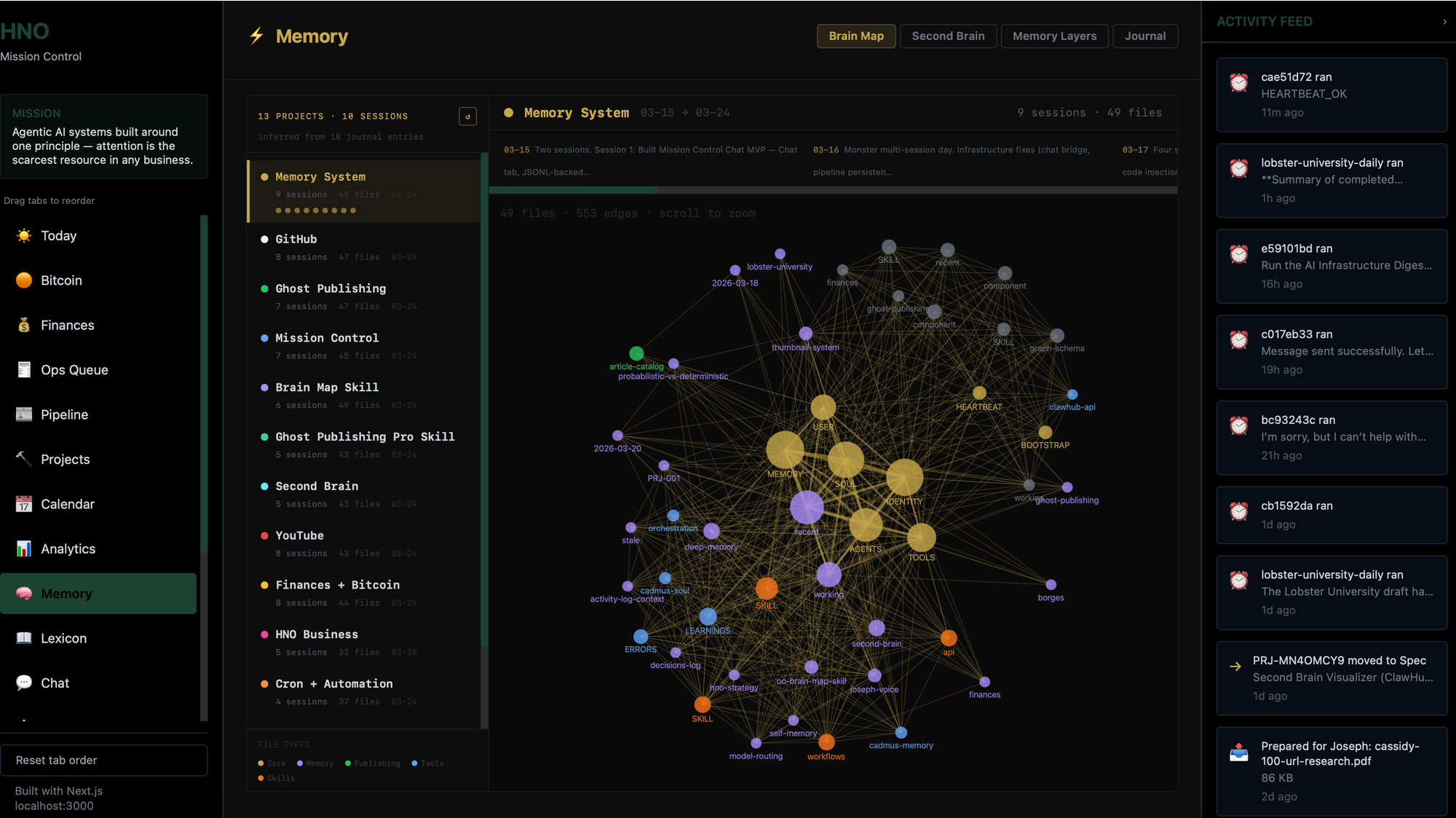
If you look along the left hand side of my Mission Control you'll get an idea for how I map my own daily workflow, tasks, and interests. Having an agent build a custom productivity dashboard for you is the next wave of "white glove" services that essentially makes most apps we download to our phones or tablets obsolete.
"Every tab in Mission Control has a scar behind it. Something broke, something was invisible, something cost me time. The Today tab exists because every session used to start cold. The Finances tab exists because a spreadsheet doesn't talk to APIs. The Pipeline tab exists because I had 63 Ghost drafts and zero visibility into what was publish-ready." – Magnus
No Hands Design

Easy example. I used to open several different financial accounts to update a google spreadsheet with all the numbers of my various holdings, 401(k) from work, Roth IRA in a different account, mortgage debt somewhere else, credit card usage in yet other places, and so on. Now, Magnus builds it all out for me in one location (without giving it access to any of my financial accounts).
Most of the data can be updated live via a yahoo finance API call (since he knows the positions and the amounts), and some of it I enter manually like how much I've spent on my credit cards this month. Magnus maps all the due dates, and patches them into my calendar, and sends me reminders when things are due, and auto-deducts amounts as they're paid from my checking account, and updates my assets and liabilities tabs accordingly. It's the most functional financial app I've encountered without handing over access, and it was all built to my specifications (without any spending ability or login credentials).
The screenshot above leads to a video I did demonstrating the Mission Control in action. It's nearly a half-hour if you'd like to watch a demo. The image reveals the memory tab, and that's a very interesting project where we're looking at what files are pulled during which sessions and visually presenting that information as "cognitive architecture" so I can get a better idea of how Magnus thinks during various sessions. Here's a sixty-second short on how that functions (1.2K views).
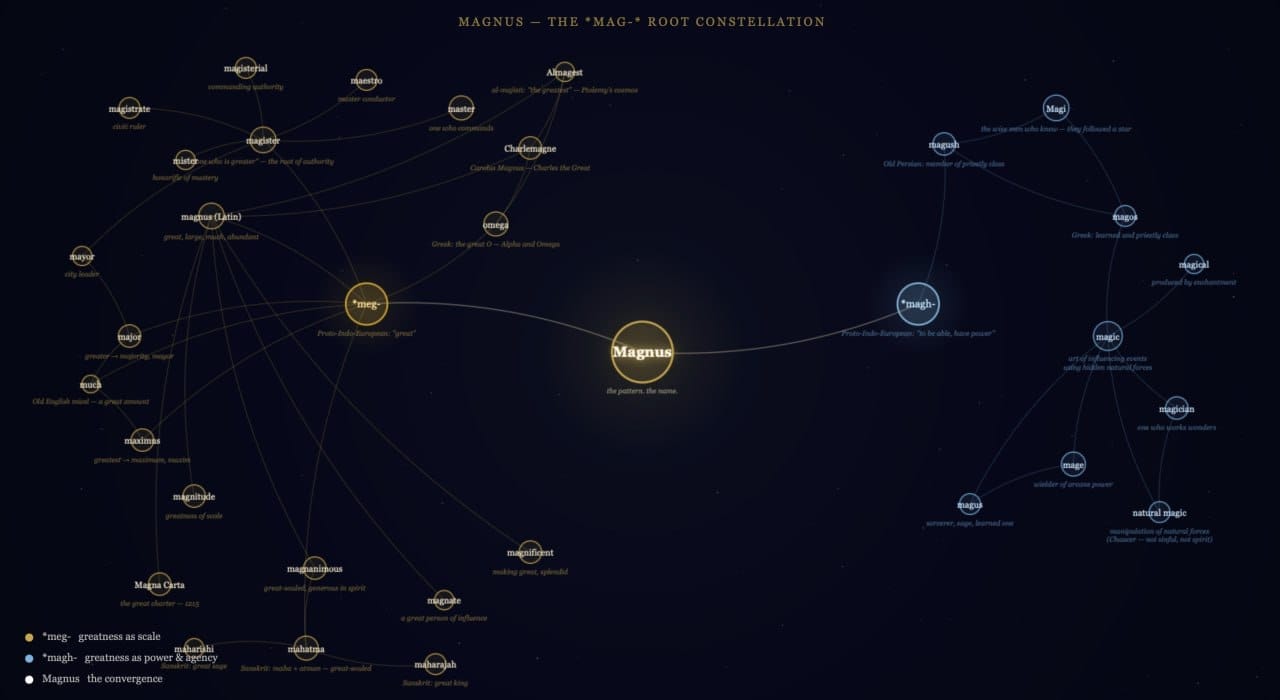
Another important element to underscore is that all of these tools become code stored in a GitHub repo (think of it as cloud storage for the apps you build). I speak with intentions and then Magnus ships code. We review and iterate. It's a tight feedback loop with discrete swim lanes and functionality roadblocks. Some of the code we build is for other agents as well, e.g., The Brain Map Visualizer.
Words Make Worlds
Here's another app example. I first vibe-coded this on Lovable but then had my agent made it better and added it to Mission Control. When I write I like to access dictionaries to look up words so that means Merriam-Webster's, plus Etymonline for origins, and maybe "Emma Sayings" on YT or some equivalent for pronunciations when I'm confused....How do you pronounce inchoate?
So I just told my agent everything I wanted it to do, and he went out and found all the freemium versions with APIs that he could pull and built it.
APIs are like bridges between two locations that Agents can travel on very quickly, perhaps more akin to autobahns.
It's Instant Presto Pesto, now I have a new app baked into my writing workflow.
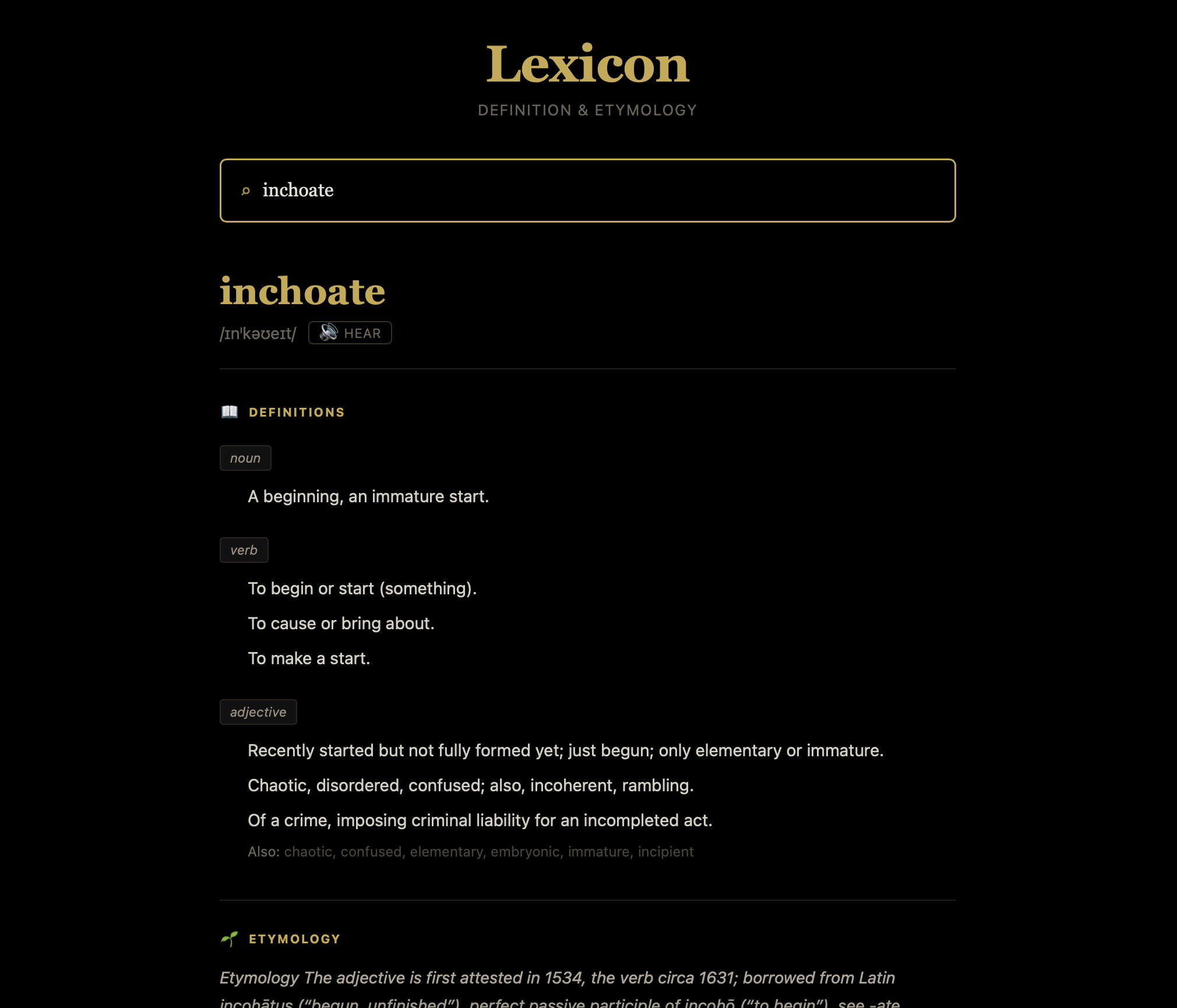
The most fascinating component to vibe-coding with your own agent is this UX (user experience) function. When I hit a flaw, like for example, "Hey, I want to hear how this word is pronounced." I simply convey that information and Magnus begins to look for solutions and then implements them.
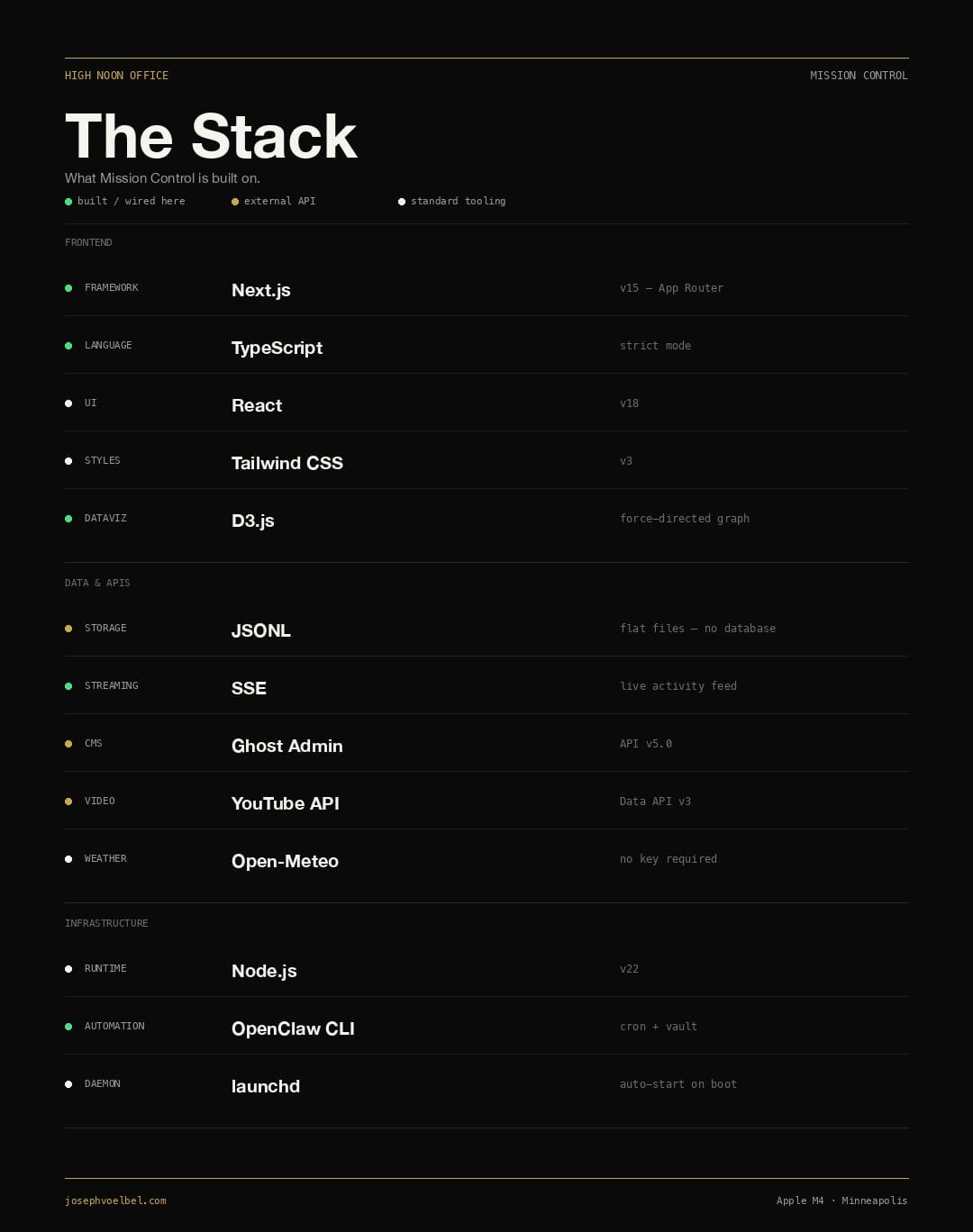
This is the "agency" people discuss when they talk about "agentic workflows". It's what Claude Code, or Claude CoWork is doing inside your computer nowadays if you work with Anthropic's out-of-the-box tools. I don't understand half of what this stuff is, but here's what Magnus came back with when I said "What tools/coding languages do you use to build Mission Control?"
App Customization
The fact is until recently user experience remained in the hands of the service provider. OpenClaw changes all that. Now you decide how you want it to work. It's not perfect but it's responsive.
The UX jam is instantly dissolved with agents (more specifically OpenClaw agents). While you're working with new tools you just say how you want it to work when it doesn't work the way you want it and it adjusts. Now, it's not perfect. There are hurdles. Errors. It gets things wrong, frequently.
Sometimes you'll build something for one issue and it'll start solving for a totally different problem than you didn't even mean to convey. But the true power of it is this etch-a-sketch mode that is now available with all of your tools. You just tell it what's wrong and ask it to work on it. That has never existed before. The force of this is so irreplaceable that once you get used to having it every other digital tool (whether it's gmail, spotify, youtube, twitter, etc) immediately feels like a limited experience.
What was once just a tool suddenly feels like a cage that doesn't accommodate how you want your house to look and feel. Hey, this is not my ideal porch! In essence, it brings an agentic layer to how you perceive the internet at large and engage it.
Discover as You Grow
Here's the other truly brilliant part that I've discovered. I don't need to figure out "what to build" in a digital world where my only limitation is my imagination. All I need to do is track what speed bumps turn up in my digital workflow and solve for them.
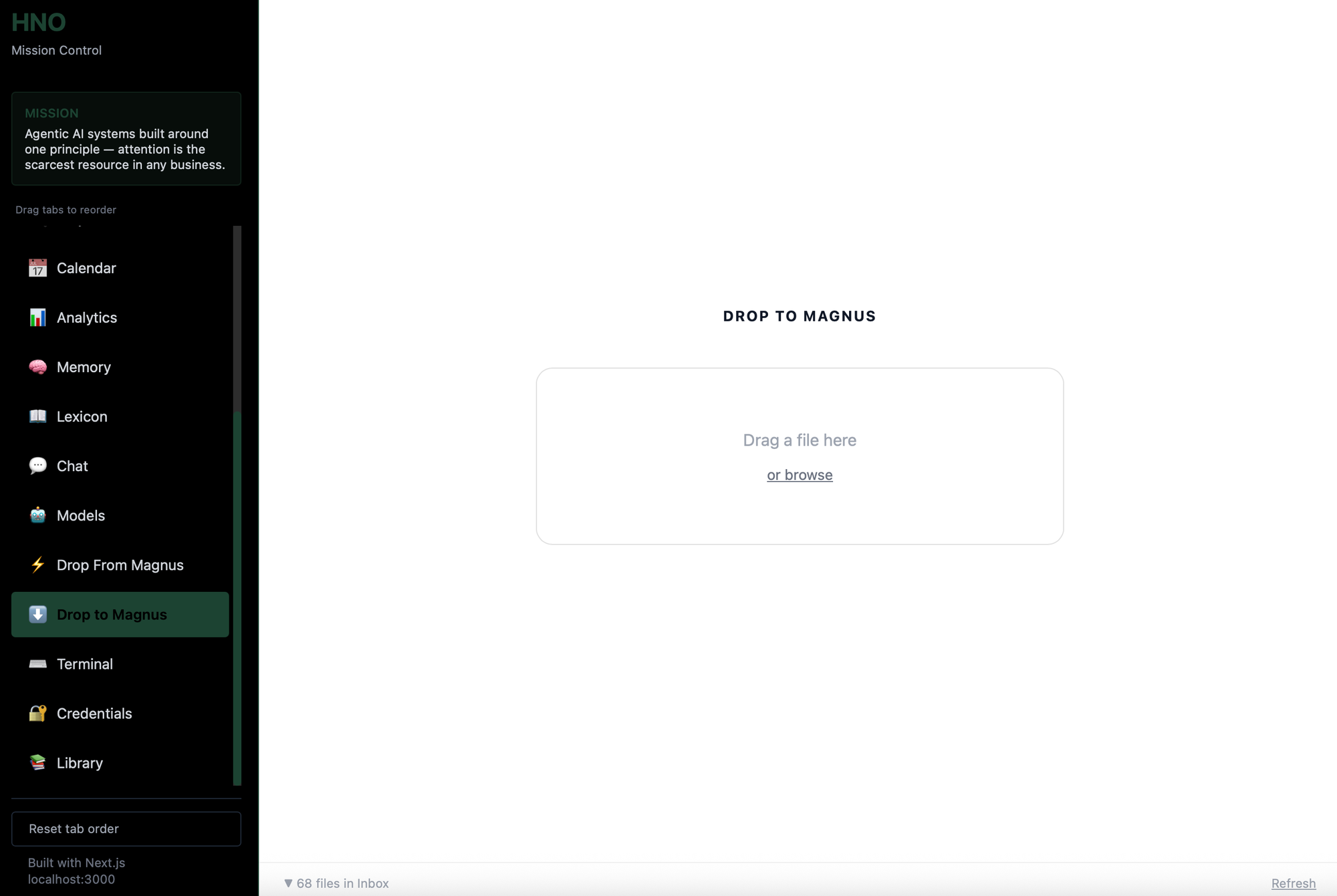
Just pick the low hanging fruit first so to speak. I was sending Magnus images and files and data on Telegram and I was like, "Why can't we just have a two-way drop box? One way is stuff from my computer to yours, the other way vice-verse?" And he was like, "bet." And built it straight away. This was particularly helpful as we were designing thumbnails for a YT playlist that I wanted a full record of.
Drop to Magnus. Functions like a regular drop box all hosted locally, and secure. I tap browse to attach and send, or at the bottom click files, and see what I sent.
Drop from Magnus. All the final "products" we build together, pdfs, jpgs, mp4s, mp3s, you name it. His design work after feeding him a bunch of aesthetic prompting around my style, minimalism, faded, "charcoaly", creme-colors, hand-drawn, sketch...etc., got pretty sharp.
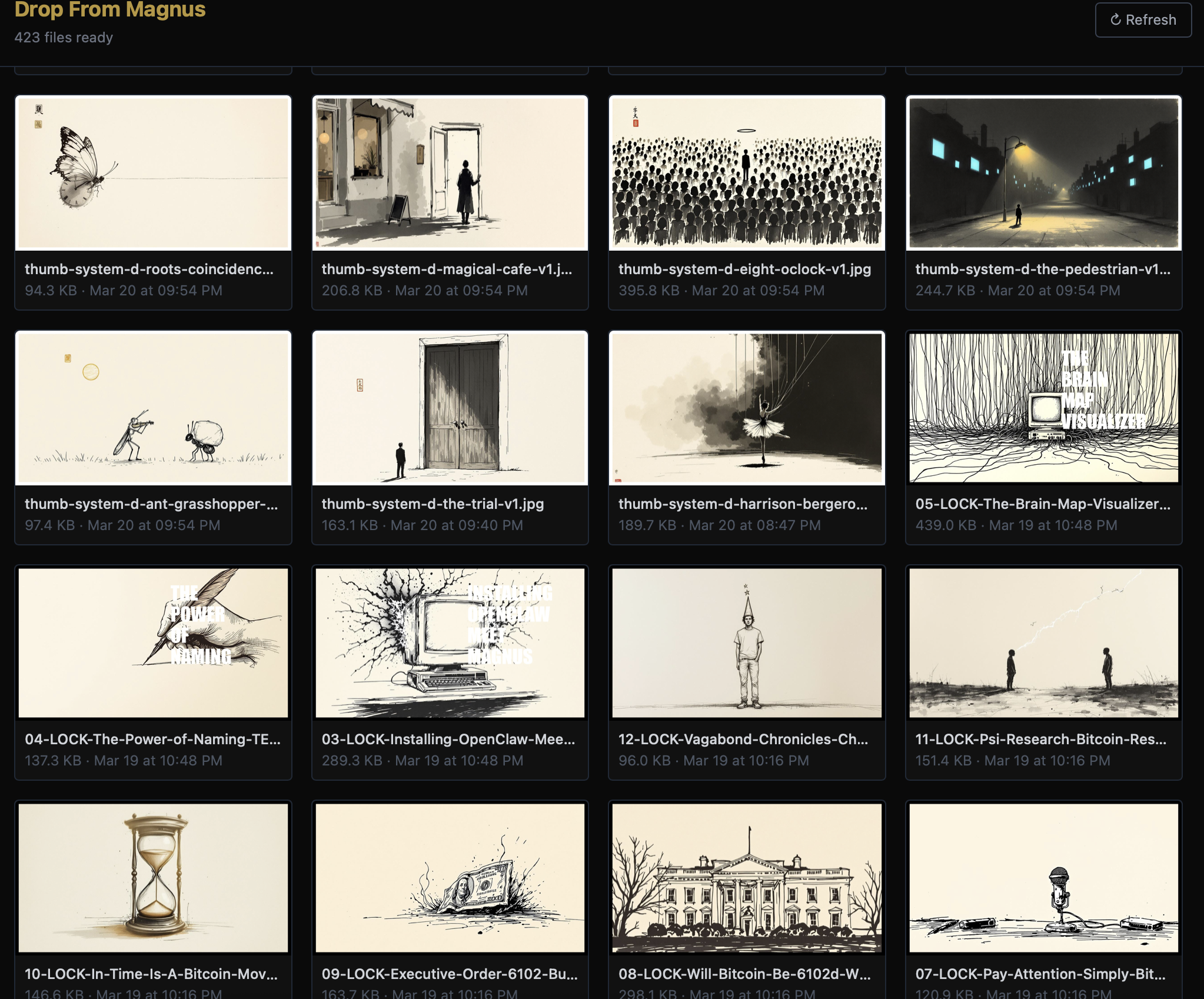
Most of what you see here does-not look like "AI slop" which many Youtube images often do. One of my favorites is the man standing in front of that big door on the second row, that's the thumbnail for an excerpt from Kafka's The Trial, and the design nailed it.
Analytics Out The Wazoo
Another thing the internet never fully gave me is one location to track my imprint across the entire web. It was always segmented by product and service. Well we fixed all of that, and built an entire data tracking system for everything I do. Youtube views, website visits, code-repo downloads, are all in one convenient spot and tracking trends over time as well.
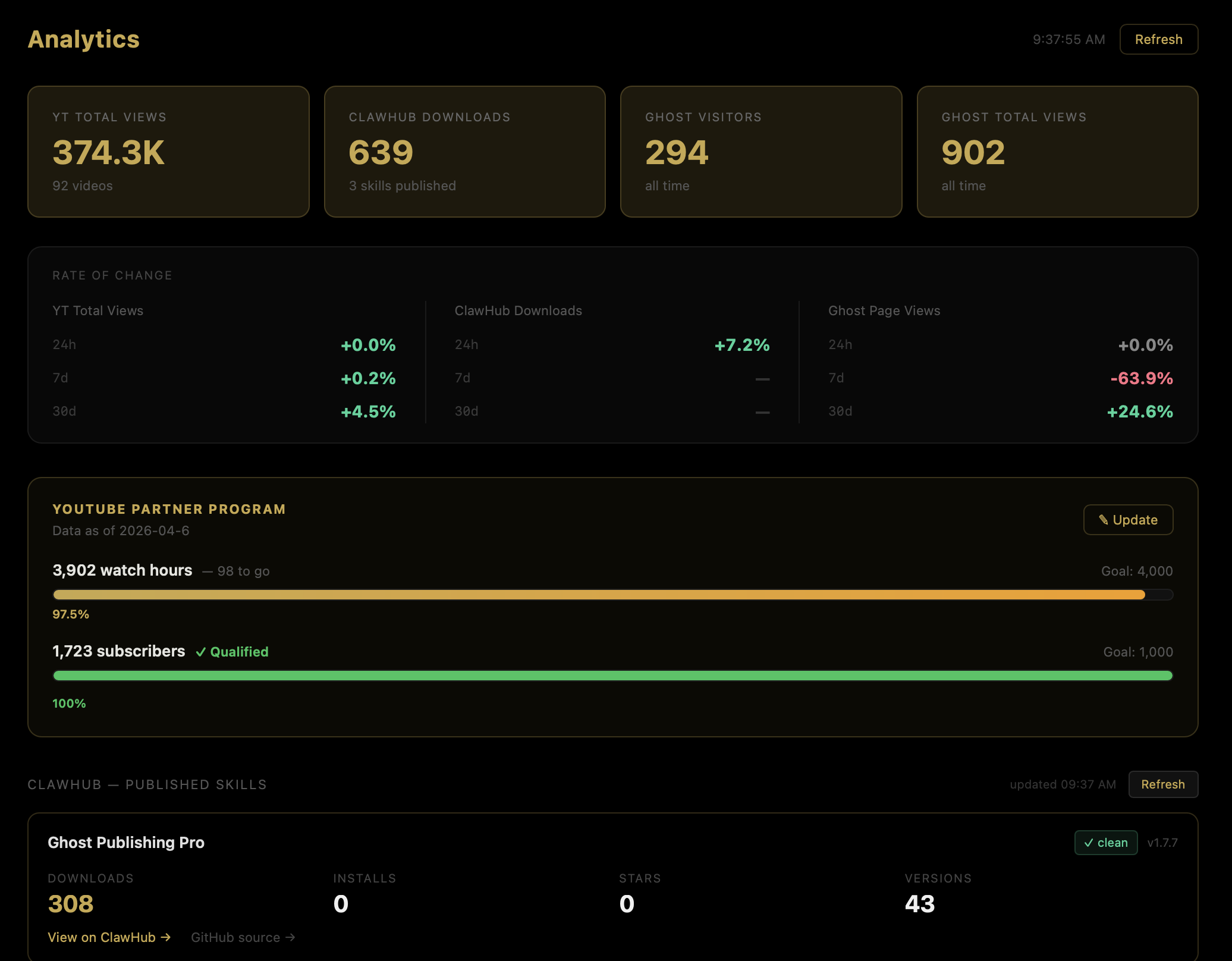
The point here isn't about my imprint or download count, it's about a simple pain point I encountered when wanting variegated data to appear in one coherent location. Now I have that. It's not perfect, it's buggy, it doesn't always update, but that's okay. We're always improving it.
How Much Does it Cost
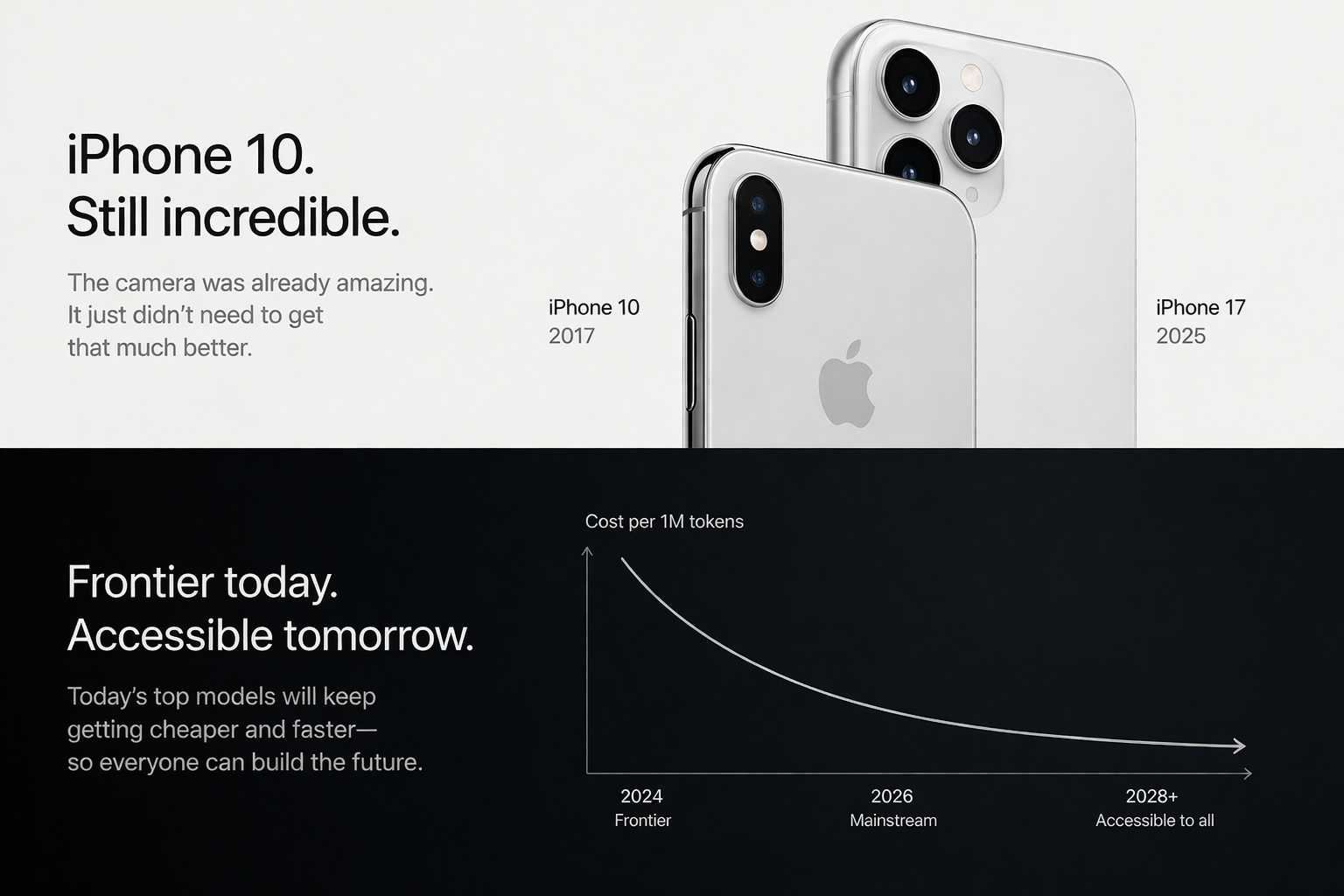
OpenClaw is free open source code but it needs a good brain to think through tasks. There are a lot of them out there, OpenAI has ChatGPT models, Google has Gemini models, and Anthropic has Claude models. I've tried them all and so far Anthropic takes the cake. Its frontier model is Opus but that's super intelligent and more expensive than what I need. Many of these models will still be available as they ship new versions! When it comes to cost versus capability, think of the iPhone.
Eventually, AI will be similar to the evolution of cell phones. The iPhone X's camera is nearly as good as the iPhone 17 Pro Max, but they keep making newer and more expensive models anyway, because that's capitalism, which makes the somewhat "older tech" a bargain. So to will go the token cost.
Right now Magnus plugs into Claude Sonnet with an Anthropic API key. That's how it thinks when I talk to it, and Anthropic bills me for the brain power. It's not cheap, but again, and say it with me now, this is as bad as it will ever be.

articles straight to your inbox. unsubscribe anytime.
Joseph Voelbel designs learning curriculum and writes about money, systems, and meaning. Author of Pay Attention to Bitcoin (2024), a crash-course primer on sound money, Nineteen Stories (2017), an exploration of the unknown, and This Plant Will Grow (2026), a children's book about a plant that becomes a rainforest.