Kinney, a Novella (Excerpt)
Click here to listen to Kinney, A Novella (Excerpt) on YouTube.
Novella Description
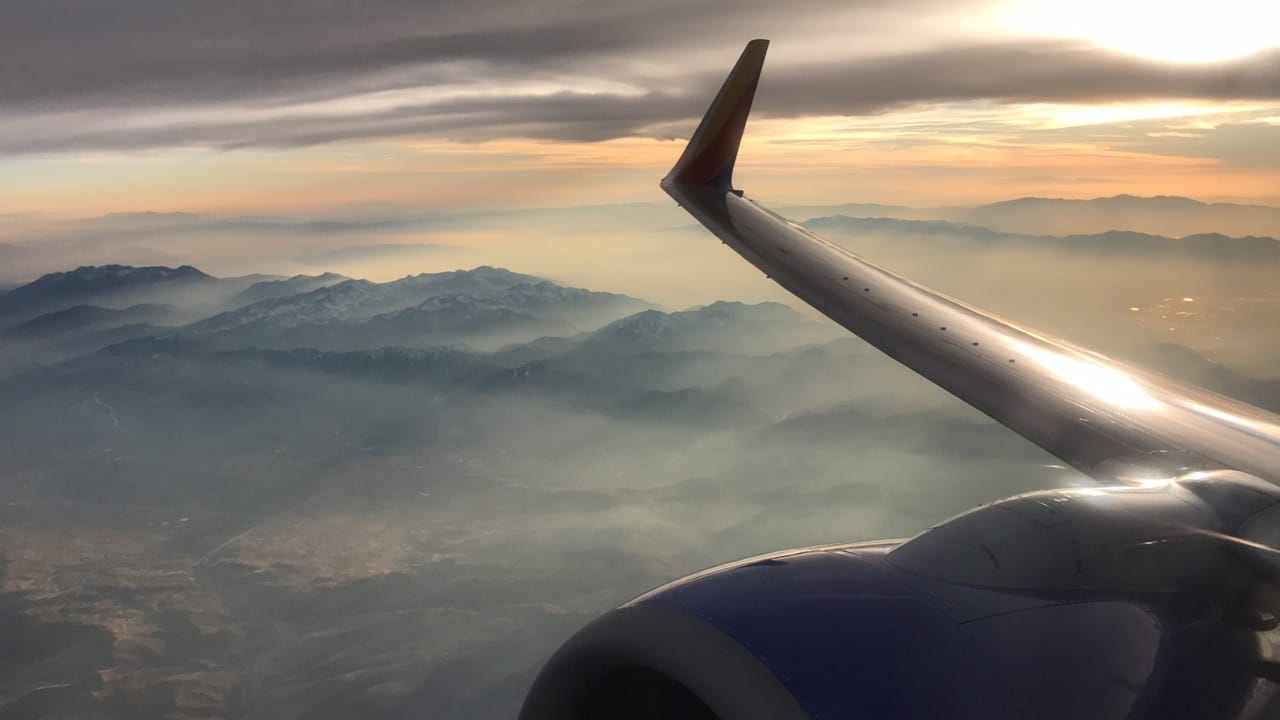
Travel through a day in the life of P., an artist on the west side of Los Angeles, following an unexplained event seen over the skies of California on November 7th, 2015.
Opening Line
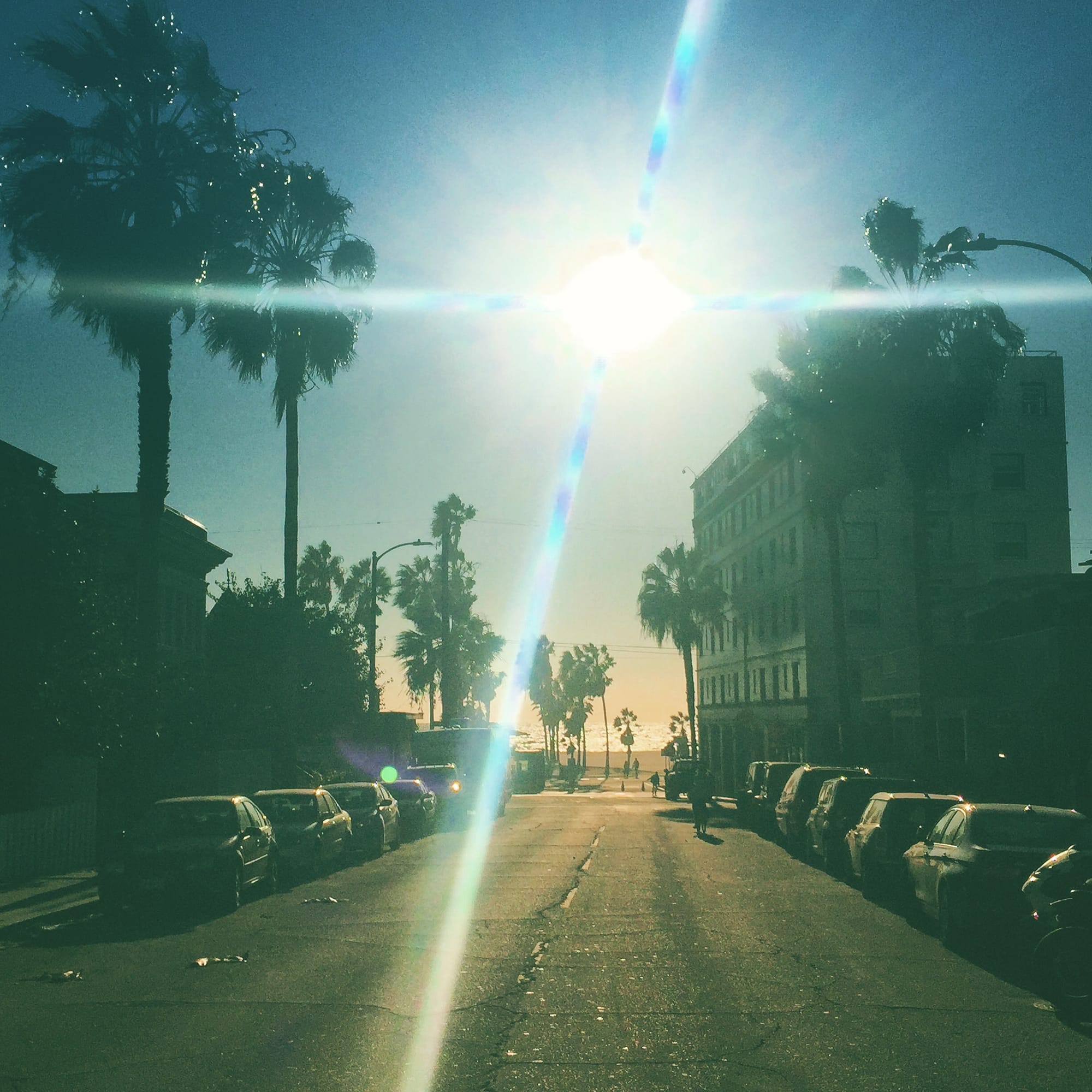
P. sat in the cafe, nurturing his Americano, looking out at the passerbys on Abbot Kinney Blvd. He mused that an Americano couldn’t have started in America.
Favorite Quote
“P. mused that the ocean held mysteries. To him, it was all one ocean, in effect, divided by many names, many maps, many territories; the Pacific Ocean was the Atlantic Ocean which is the Indian Ocean which is the Arctic Ocean, we just divided it up by names, names make boundaries, boundaries create stability, support, and the capacity to understand something, but it was all one ocean, and all land on God’s green earth that we knew as continents, were just islands surrounded by the sea.”
Kinney Audio Excerpt
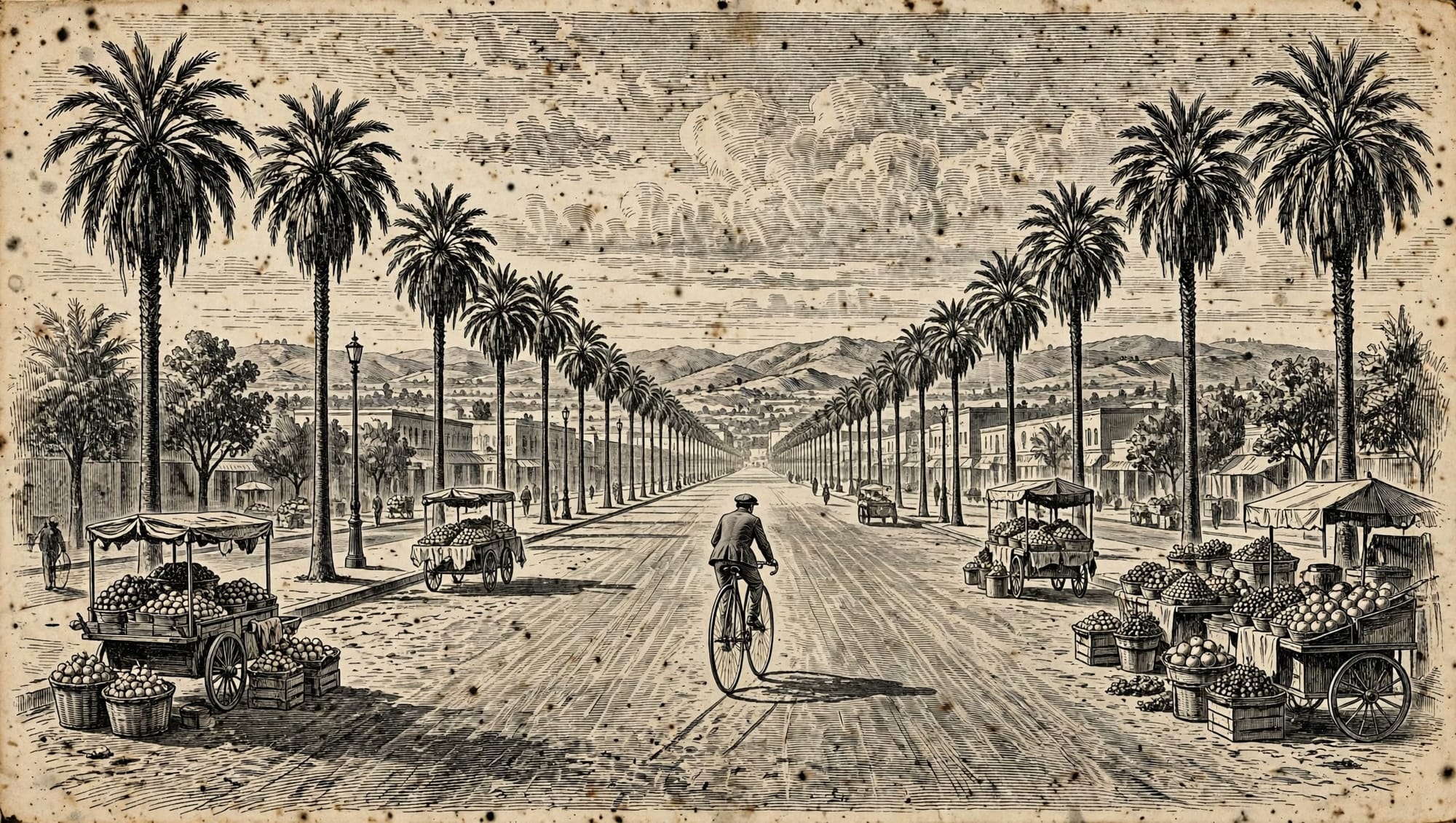
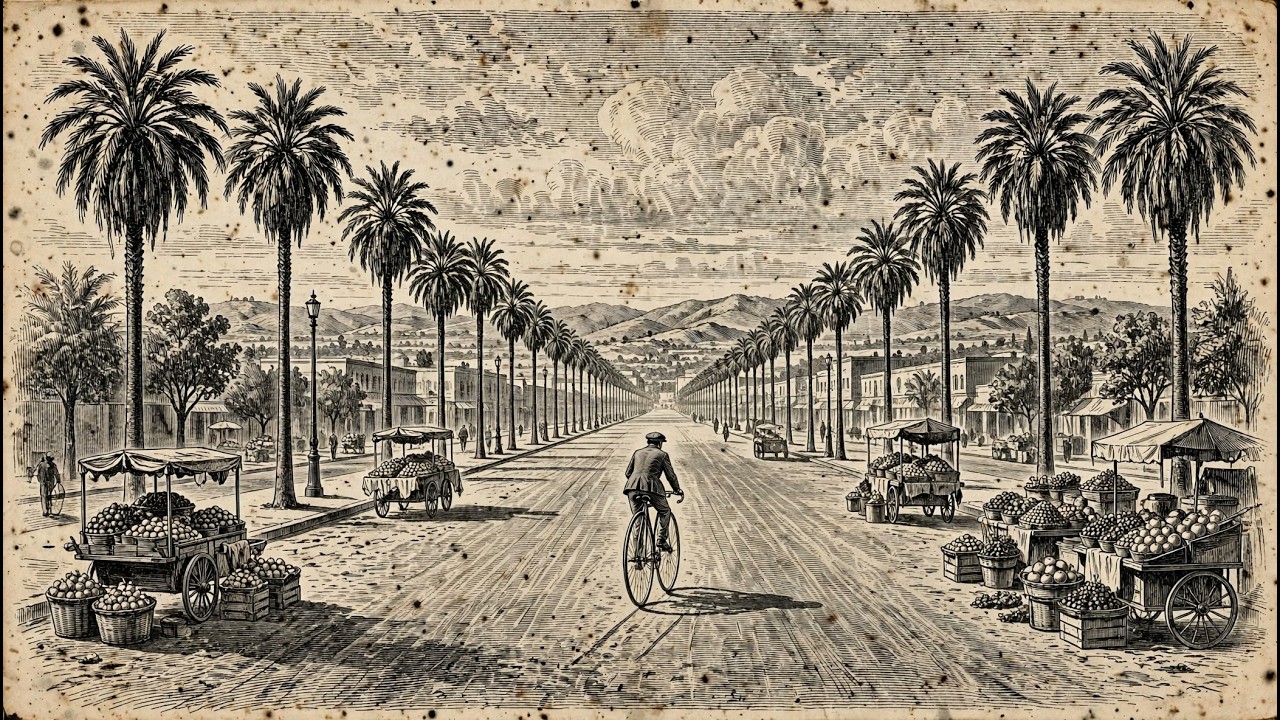
"See you Fernando." "Bye P." P. popped up and whisked himself out of the room. Once outside he felt uncaged, like a freed bird, he descended the flight of stairs like water down a mountain, unlocked his bike and began to pedal steadily up Electric Avenue toward Rose Avenue. He biked passed an Old-Mexican man pushing a shopping cart full of discarded items. P. could always hear those carts when he thought of Venice, and the strong arms that pushed them, and the determined feet that moved them; the industrious leather-weathered and wrinkled Mexican men who retrieved your discarded Coca-Cola cans and Evian water bottles, who dove into your trash bins, and recycling containers, and who lived off this city's detris extruded at the gills from the gall bladder of consumerism, trading in refuse for small metallic coins, gathering them, exchanging them for paper notes and sending them, heavily taxed by Western Union to Mexico, Guatemala, Ecuador, or El Salvador, gathering currency in the US like a toxic-eating algae hell bent on transmuting a city's waste, this Los Angeles. P. saw Mexico in his surroundings, he heard it on the AM radio, he saw it at the yard parties and quincineros next door, he felt it on the beach where on weekends one or two sellers of fresh fruit, can still be found, strong stout Mexican women holding kabobs of fruit in the hot noon day sun, towel over their shoulders to support the load, sweat lined beneath their arms, walking around pasty white Angelinos dreaming of fame and stardom. These fruit sellers, where here only one or two, a vestige of the Mexico that once stood, a trickle down from the thousands of fruit-sellers that line the Baha. But the high guarded towers, and well maintained walls, and bullets and rape and violence and all the pain put into a passport, or stuffed under a fence, or submerged in a sunken ship, could not stop what is the essence of a land, from being itself. These strong, beautiful and brilliant Mexicans, their deep ancestral skin and soft Latin tongued Virgin de Guadalupe's lined the shelves of the mercados where they bought Bud Light by the case, or Tecate, or Imperial and drank as families that would not be ushered from their homeland, they perched around beaten up old trucks drinking beer, blaring Spanish love songs from an AM radio, its familiar crackle somehow a sign of cultural nobility. P. mused on Los Angeles as a name, and thought how all names were kinds of Maps, and that American was no less Mexico than the USA, that Los Angeles was a Mexican city, with a Mexican name, it was our American Mexico, we'd run it over with our imagination and the silver screen and a coke habit. LA was a Mexican dessert scrubbed over by things like The Valley, cookie cutter houses and porn star green lawns watered from reservoirs hundreds of miles away. Water wars. Chinatown. Some good came out of all this. A lot of bad. But this land wasn't the USA or Mexico or even America, that beautiful America joined from the deciduous forests of the northern region to the holy coasts of the isthmus of Panama, on down through the Southern lungs and jungles to the polished urbana of Buenos Aires, where Argentinian metaphysical poets once realized that they were people, simply standing on an earth. Indeed, P. thought, the map is not the territory. P. reminded himself that he was standing on God's land, in a word called Los Angeles, that was once in a word called Mexico. Prior to the treaty of Guadalupe in 1848, following the war between Mexican and US forces, this was Mexico. And when all that north of the Rio Grande became the property of the US, and all that Wyoming, and all that New Mexico, and all that Arizona, and all that Golden Golden California, when all that holy Mexican land became US soil, its occupants could move to the newly defined boundaries, or they could become US citizens, well over 90% of them stayed. So that is our Mexico, we are Mexico, we never left ourself. P. himself was the descendants of Norway and Ireland and Germany and a ship that came here with his great-great grandparents called the USS Queen Mary, who journeyed inland to flat upper-middle america, of farm and potato and corn. He was 'still waters run deep' and 'bundle up for the winter' he was 'I can see my breath' and 'I can't feel my fingers'; P. came from those ice-capped tundras of the North, the lands of lakes, called Wisconsin, Minnesota and Michigan, where those truly grand and noble bodies of still water sat upon this earth, friends of Siberia and Mongolia, friends of Tibet and Sweden, friends of Quebec, Greenland and Alaska. He was tall and pale, and built to be warm in the cold.
Kinney (forthcoming)
This novella is as of yet unpublished. Expected in 2027.
The Series
 | The Examined Shelf A YouTube series of narrated literary excerpts. |
articles straight to your inbox. unsubscribe anytime.
Joseph Voelbel is the author of Pay Attention to Bitcoin (2024), a thesis on how what we pay attention to accrues value, Nineteen Stories (2017), meditations on the edge of experience, and This Plant Will Grow (2026), a picture book about a plant that becomes a rainforest.